Utilizamos cookies necesarias para organizar su sesión personalizada, lo que le permite agregar a su carrito los productos que le interesan y realizar pedidos. Además, algunas de nuestras cookies mejoran la seguridad de su sesión personalizada. También nos gustaría establecer cookies de plataformas de análisis y estadísticas para comprender mejor a nuestros usuarios y evaluar la efectividad de nuestros esfuerzos para atraer clientes, recopilando e informando sobre cómo utiliza nuestro sitio web.
Puede cambiar sus preferencias de cookies en cualquier momento haciendo clic en el enlace de Configuración de cookies en el panel de Cuenta.
Borrar datos del clienteBorra los datos de este sitio en este navegador: cierra tu sesión, vacía el carrito y restablece el idioma, la moneda y las preferencias de cookies. Útil en un ordenador compartido.
* El % de valor diario (VD) indica cuánto aporta un nutriente de una ración de alimento a la dieta diaria. Para los consejos generales de nutrición se utilizan 2000 calorías al día.
¿Quieres darle un toque saludable a tu rutina diaria? Healthy Edge es una mezcla vibrante, inspirada en el bienestar, elaborada con té oolong, yerba mate energizante, rooibos verde y rojo, honeybush, tulsi, ginseng, hierbas relajantes, especias cálidas, frutas, bayas, raíces y ingredientes botánicos de vivos colores.
La yerba mate y el oolong aportan una fuente de cafeína que te da energía de forma natural, lo que convierte a Healthy Edge en una opción excelente cuando necesitas un ligero impulso de energía, concentración y motivación. El rooibos, el honeybush, el hibisco, los escaramujos, los arándanos, las moras, las bayas de goji, la aronia, la remolacha y otros ingredientes vegetales aportan antioxidantes naturales y compuestos vegetales beneficiosos que favorecen el bienestar diario.
Esta compleja mezcla también se ha creado pensando en el bienestar digestivo. La menta piperita aporta un toque refrescante y calmante, mientras que el jengibre, la canela, el cardamomo, el cilantro, la raíz de regaliz, la raíz de achicoria, la hierba limón y los cítricos se aprecian desde hace mucho tiempo en las preparaciones herbales tradicionales. Disfrutar de una taza caliente después de una comida copiosa o pesada puede ayudarte a sentirte renovado, equilibrado y con menos pesadez.
El tulsi y el ginseng añaden una dimensión de inspiración adaptogénica, tradicionalmente asociada a la resiliencia, la vitalidad y el mantenimiento del equilibrio durante los días ajetreados o exigentes. La manzanilla, los pétalos de rosa, la caléndula, la hierba luisa y otros ingredientes botánicos suavizan la mezcla y crean un contrapunto calmante al carácter estimulante de la yerba mate y el oolong.
Healthy Edge tiene un sabor a manzana y canela, naturalmente dulce y ligeramente especiado, con notas de bayas maduras, cítricos, frutas tropicales, menta refrescante y un suave retrogusto a hierbas. Se puede disfrutar como parte de un estilo de vida equilibrado, tanto si tus objetivos incluyen mantener la energía, favorecer la digestión, controlar tu peso mediante elecciones diarias más saludables o, simplemente, añadir más variedad de origen vegetal a tu rutina.
Delicioso servido caliente, Healthy Edge también resulta un té helado brillante y refrescante.
Ingredientes destacados
Seguir leyendoCerrar
Achicoria
Chicory root has a long history of providing support to liver problems. Chicory is a great source of vitamins and minerals, including zinc, magnesium, manganese, calcium, iron folic acid and potassium, as well as vitamins A, B6, C, E and K. Chicory may provide direct functional support to the digestive reactions in the body. First of all, chicory root increases the flow of bile, which supports digestion.
Arándano
Blueberries are not only tasty, but are low in calories and packed with vitamins, fiber, manganese, iron and antioxidants. The berries and leaves have a number of medicinal properties that have been used for generations to treat and prevent digestive orders, improve circulation, maintain eye health and reduce inflammation. Vitamin C aids the formation of collagen, helps maintain healthy gums and capillaries, promotes iron absorption and a healthy immune system.
Caléndula
Canela
The benefits of Cinnamon Tea go beyond it's incredible taste and wonderful aroma. One of the most well known benefits of cinnamon is its control over blood sugar levels in the body. By helping to regulate the insulin and glucose balance in the body, cinnamon can be both a preventative measure and an effective treatment for diabetes.
Ver más ingredientes
Cardamomo
Cardamom has a strong, unique taste, with an intensely aromatic, resinous fragrance and contains phytonutrients with powerful anti-inflammatory properties. Antioxidants in Cardamom detoxify a body and digestive track, improve blood pressure, liver and heart. Cardamom reduces anxiety and fights symptoms of metabolic disorders such as diabets, cardiovascular disease and cholesterol. Cardamom is rich in niacin, pyridoxine, riboflavin, thiamine, vitamin A, vitamin C, sodium, potassium, calcium, copper, iron, manganese, magnesium, phosphorous and zinc.
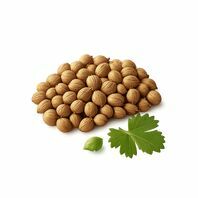
Cilantro
Coriander is packed with potential health benefits. It has eleven components of essential oils, six types of acids (including ascorbic acid, better known as vitamin-C), minerals and vitamins, each having a number of beneficial properties.
Citronela
Lemongrass is an aromatic storehouse of essential nutrients providing a wide array of health benefits. It is a source of essential vitamins such as vitamin A, B1, B2, B3, B5, B6, folate and vitamin C. It also provides essentil minerals such as potassium, calcium, magnesium, phosphorous, manganese, copper, zinc and iron, which are required for the healthy functioning of the human body. The main component of lemongrass is lemonal or citral, which has anti-fungal and antimicrobial qualities, while also providing a distinct lemony smell.
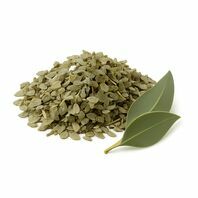
Eucalipto
Eucalyptus tea is very popular for curing a range of medical conditions. Eucalyptus leaves contain flavonoids (plant-based antioxidants), volatile oils and tannins. Eucalyptus leaves contain substances that have expectorant, antibacterial and antiseptic properties. One of these substances is a powerful chemical called eucalyptol, also known as cineole. This compound has the ability to loosen phlegm, ease coughs and fight many common upper respiratory problems.
Ginseng
Ginseng is the slow-growing root of a plant native to the mountain forests of Korea, northeast China and parts of North America. It has an earthy, woody flavor with a gentle bitter-sweet balance and a slightly savory finish. In tea, ginseng is often paired with green tea, oolong and herbal blends, and it works nicely with ginger, lemongrass, mint and citrus. It has been treasured in Korean and Chinese tea culture for centuries, where ginseng tea is a classic gift for family and friends.
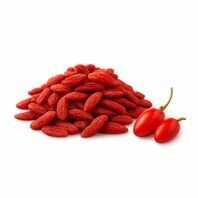
Goji berries, also known as wolfberries, are the small, bright red-orange fruits of a shrub grown for centuries in northwest China, especially in the Ningxia region. Dried goji berries bring a mild, tangy-sweet flavor, somewhere between a cranberry and a cherry, with a light herbal note. They pair well with green tea, white tea, rooibos and fruit blends, alongside raspberry, pomegranate, hibiscus and citrus. In China, goji berries are a beloved everyday ingredient in soups, desserts and teas.
Because of its anti-inflammatory properties, hibiscus tea can reduce blood pressure by. Hibiscus tea also has impressive antioxidant properties. It helps to lower levels of "bad" LDL cholesterol from the body, thereby helping to protect against heart disease and protecting blood vessels from damage. The hypolipidemic and hypoglycemic properties of hibiscus tea can be beneficial for those who suffer from blood sugar disorders like diabetes. drinking hibiscus tea could increase your lifespan by maintaining good overall health in many organ systems.
Hierba de San Juan
St. John's wort is an herb that has been used for centuries for medicinal purposes, including to treat depression. Today, St. John's wort is used by some people to treat mild to moderate depression, anxiety or sleep disorders.
Hojas de mora
Since ancient times, the leaves of the blackberry plant have been used curatively. Today, we know it was the vitamin C and tannins in the leaves that he was counting on to boost immunity and heal wounds.
Honeybush
Honeybush is a shrub native to the coastal mountains of South Africa's Eastern and Western Cape, and a close cousin of rooibos. Like rooibos it is naturally caffeine-free, and its leaves and stems brew a naturally sweet, mellow cup with notes of honey, dried apricot and toasted grain. Honeybush is lovely on its own and blends well with rooibos, vanilla, citrus, caramel and fruit, and its name comes from the honey-scented yellow flowers. Enjoy it with milk or served iced.
One traditional medical form of ginger historically was called "Jamaica ginger". It was classified as a stimulant and carminative and used frequently for dyspepsia, gastroparesis, slow motility symptoms, constipation or colic.
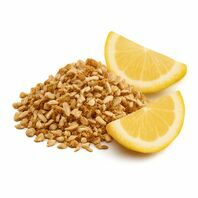
Limón
Lemons, like other fellow citrus fruits, are an excellent source of vitamin C (ascorbic acid), provides about 88% of daily recommended intake. Ascorbic acid is a powerful water soluble natural anti-oxidant. Lemon also helps to lower blood pressure, decrease stress, maintain healthy skin and promote a healthy liver.
Manzana
Apart from the numerous vitamins, apple has a tremendous repertoire of micro nutrients and minerals. It also has antiviral properties. It detoxifies the body, reduces headache, inflammation of bladder, tuberculosis, insomnia, worms, gallbladder stones, skin disorders, bronchial asthma.
Manzanilla
Chamomile has been used for centuries in teas as a mild, relaxing sleep aid, treatment for fevers, colds, stomach ailments and as an anti-inflammatory.
Menta
Peppermint tea has known antibacterial properties, which are the cause of so many illnesses, including fevers, coughs and colds. Not only can drinking this delicious tea help you treat the symptoms of being ill, it can also prevent your body from getting sick in the first place! There are also trace elements of vitamin B, potassium, antioxidants and calcium, which can help your body uptake nutrients to fight off illness and perform necessary function to keep your body working in a healthy way.
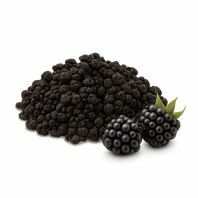
Mora
Blackberries are tasty and nutrient dense fruit which stores a fine range of nourishing components. Vitamins provided by blackberries: A, B1, B2, B3, B6, C, E, K and folate. Mineral wealth of blackberries include calcium, iron, magnesium, phosphorous, potassium and zinc. Blackberries are also a good source of amino acids and essential dietary fiber without offering any harmful cholesterol.
Naranja
Nutrients in oranges are plentiful and diverse. Oranges, like other citrus fruits, are an excellent source of vitamin C. Furthermore, ascorbic acid is one of the fundamental components of collagen, which is necessary to repair cells and for the growth of new tissues in the body.
Papaya
Papaya is a soft, orange-fleshed tropical fruit native to southern Mexico and Central America and now grown throughout the tropics. Dried papaya pieces add a mellow, sweet flavor with musky, melon-like notes and a gentle tropical aroma. Papaya pairs well with rooibos, green tea, white tea and fruit blends, especially alongside mango, pineapple, coconut and passion fruit. Because its flavor is soft rather than tart, papaya rounds out tangier fruits nicely and makes a smooth, easygoing iced tea.
Pineapple is an excellent source of vitamin C and manganese. It is also a very good source of copper, vitamins B1 and B6, dietary fiber, folate and pantothenic acid.
Raíz de regaliz
It is the root of Glycyrrhiza glabra from which a sweet flavour can be extracted. Licorice offers a wide range of beneficial nutrients and flavonoids. It is a good source of vitamins B1, B2, B3, B5 and vitamin E. It also provides minerals such as phosphorous, calcium, choline, iron, magnesium, potassium, selenium, silicon and zinc. Licorice is a storehouse of essential phytonutrients, including beta-carotene, glycyrrhizin, glabridin, isoliquiritigenin, thymol, phenol, ferulic acid and quercitin.
Raíz de remolacha
Beets have such a wide range of health benefits because of their nutritional content, including vitamins, minerals and organic compounds like carotenoids, lutein/zeaxanthin, glycine, betaine, dietary fiber, vitamin C, magnesium, iron, copper and phosphorus, while also being a source of beneficial flavonoids called anthocyanins. They are very low in calories, with no cholesterol, but they do have the highest sugar content of all vegetables.
Rosa mosqueta
Rose hips are the best source of vitamin C. They contain 50% more vitamin C than oranges. Because of the high vitamin C content they are an excellent immune system booster and are often used as a supplement to prevent or treat a cold. The fruit acids and pectin in rose hip tea is a mild diuretic and laxative. It is used to improve and relieve the symptoms of kidney disorders or to help in the case of mild constipation.
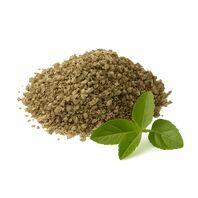
Tulsi
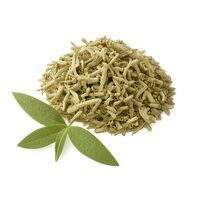
Tulsi, also called holy basil, is a fragrant herb native to India, where it is sacred in Hindu tradition and often grown in a courtyard pot at the center of the home. Its leaves brew a fresh, peppery cup with clove-like spice, hints of mint and a light lemony lift. Tulsi pairs well with green tea, black tea, rooibos, ginger, lemongrass and chai spices. It is naturally caffeine-free on its own and tastes great hot or iced.
Lemon verbena is a leafy shrub native to South America, brought to Europe by Spanish explorers and now grown widely around the Mediterranean. Its slender leaves have an intense, bright lemon aroma that is sweeter and more floral than lemon peel. Verbena is wonderful on its own, and it pairs well with green tea, white tea, mint, lemongrass and fruit blends. In France it is a classic after-dinner herbal tea called verveine, and it makes a refreshing iced tea too.
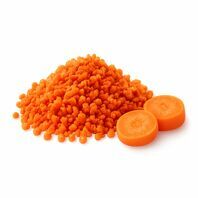
The health benefits of carrots include reduced cholesterol, prevention from heart attacks, improving vision and reducing the signs of premature aging. Furthermore, carrots have the ability to increase the health of your skin, boost the immune system, improve digestion, increase cardiovascular health, detoxify the body and boost oral health in a variety of ways. The antioxidants and phytochemicals in carrots may also help with blood sugar regulation, delay the effects of aging and improve immune function.
Míralo en acción
Mira cómo funciona
Un vistazo rápido antes de que sea tuyo: del primer vertido al último sorbo.
Reproducir vídeo
Sigue descubriendo
más tazas por descubrirdesde
Bolsitas de té de origen vegetal
Nuestras bolsitas de té están hechas de PLA (ácido poliláctico), un bioplástico elaborado con almidón vegetal, casi siempre de maíz y a veces de yuca, remolacha o caña de azúcar. Al proceder del almidón, se considera mucho más seguro para alimentos y bebidas.
Sin BPA ni ftalatos: ningún disruptor endocrino en tu taza
Sin petróleo y no tóxico
Compostable y reciclable
La rapidez con que se descompone depende de condiciones como el suelo, la luz solar y la temperatura.
Hazlo a tu manera
preparados, listos, a infusionar.
Un gran punto de partida. Ajusta la intensidad a tu gusto.
011 tbsp (4 g)Mide tus hojasPon el té en un infusor amplio o en una tetera.
0290-96°C (195-205°F)240 mlAñade el aguaVierte el agua sobre las hojas a la temperatura recomendada.
035 minDale un momentoDeja reposar el té y luego retira las hojas.
04Tu taza perfectaDisfrutaPruébalo primero solo y luego hazlo a tu manera.
012 tbsp (8 g)Mide tus hojasUsa la cantidad indicada para un vaso con hielo.
0296°C (205°F)240 mlPrepáralo en calienteVierte agua caliente sobre las hojas.
035 minInfusiona y cuelaRetira las hojas después de la infusión.
04Viértelo sobre hieloEnfríaloViértelo sobre un vaso lleno de hielo.
011 tbsp (4 g)por 240 mlMide las hojasPon el té en un tarro o una jarra.
02Agua fríaAñade agua fríaVierte agua fría filtrada sobre las hojas y tapa.
038–12 hDéjalo en fríoDéjalo en la nevera y luego cuela las hojas.
04Sírvelo fríoSirve y disfrutaSe conserva en la nevera hasta dos días.
Un pequeño consejo de infusiónMuchas especias y hierbas: añade un chorrito de leche para una taza estilo chai.
Por qué en fríoEl agua fría extrae menos amargor: el té sabe suave y naturalmente dulce.
Una forma fresca de disfrutarloEndulza mientras el té aún está caliente para que se disuelva. Para un vaso más suave y redondo, prueba el cold brew: hojas en agua fría en la nevera durante 6–8 horas.
Tómalo como punto de partida. Cada té es un pequeño experimento: ajusta la cantidad, la temperatura y el tiempo a tu gusto.
Traducido del inglés · Ver originalEste huele bien, sabe a chicle. Sin embargo, no es mi tipo de té favorito, probablemente sería excelente helado.This one smells great, tastes like bubblegum. Not my favorite type of tea though, would likely be great iced.
Ricky Fessler
Junio 2025
Traducido del inglés · Ver original¡Uno de los mejores tés que he tenido, realmente ayuda cuando estás enfermo y es sabroso cuando no lo estás!One of the best teas I've ever had, really helps when you're sick and is tasty when you're not!
Andrew Havrilla
Marzo 2025
Traducido del inglés · Ver originalAcabo de recibir esto por correo y ¡este es un té delicioso! Voy a pedir esto de nuevo. Sin embargo, con algo del rock sugar y fruta que hay en este té, es un poco dulce para mi gusto. Probablemente estaré experimentando mezclándolo con otro té para suavizar la dulzura. Sin embargo, no vi la información nutricional de este té. ¿Alguien sabe el contenido de azúcar por porción?I just received this in the mail and this is a delicious tea! I will be ordering this again. However with some of the rock sugar and fruit that's in this tea it's a bit sweet for my tastes. I will probably be experimenting with mixing it with another tea to mellow out the sweetness. However, I didn't see the nutrition information for this tea. Anyone know the sugar content per serving?
Johanna Matthiesen
Febrero 2025
Traducido del inglés · Ver original¡Este es uno de mis tés de hierbas favoritos! Té perfecto por la mañana o impulso por la tarde cuando me siento perezoso.
Conectado para pedir más, pero noté que está completamente agotado. Me aplastaría absolutamente si lo descontinúan.This is one of my favorites herbal teas! Perfect morning tea or afternoon pick me up when I'm feeling sluggish.
Logged in to order more, but noticed it's completely out of stock. I'll be absolutely crushed if they discontinue it.
Ver todas 36 las críticas
Jessica King
Diciembre 2024
Traducido del inglés · Ver original¡Oh Dios mío! ¡Nunca he probado un té saludable que sepa tan bien! He estado educando a mis amigos y familia durante años que el "té" que compras en las tiendas realmente tiene poco o ningún beneficio para la salud sin importar lo que diga su caja.. esta empresa hasta ahora, como cliente por primera vez, me ha dejado asombrada con cada té que he probado en mi primera compra (probé 10 variedades de té suelto) tanto que hice un segundo pedido dentro de 4 días, mi hija de 15 años también los ha amado. ¡Encontré esta empresa buscando regalos para mis dos hijas mayores para regalos de Navidad, & estoy tan feliz de haberlo hecho!Oh my goodness! I have never tasted a healthy tea that tastes this good! I have been educating my friends & family for years that the “tea” you buy in stores really has minimal if any health benefits regardless of what it says on their box.. this company has so far as a first time customer blown me away with every tea I have tried in my 1st purchase ( I tried 10 loose leaf varieties ) so much so I ordered a 2nd time within 4 days, my 15 year old daughter has loved them too. I stumbled upon this company when searching for gifts for my oldest 2 daughters for Christmas gifts, & I am so glad that I did!
Samantha Jack
Junio 2024
Traducido del inglés · Ver originalSabe a fruta y muy dulce con una acidez aguda. Aroma picante de canela.Tastes fruit and very sweet with a tart sharpness. Spicy aroma of cinnamon.
Susan Otter
Octubre 2022
Traducido del inglés · Ver originalLa primera vez que preparé este té lo dejé reposar demasiado tiempo, y no me gustó el fuerte sabor a fruta. Así que ahora lo preparo con una cantidad igual de Jade Oolong, ¡y es maravilloso! El resultado es oolong/picante, pero muy suave y agradable de beber... No demasiado de ninguno de los dos sabores. ¡Muy relajante y delicioso!The first time I made this tea I let it brew too long, and I was not fond of the strong fruit flavor. So now I brew it with an equal amount of Jade Oolong, and it is wonderful! The result is oolong/spicey, but very smooth and enjoyable to drink... Not too much of either flavor. Very relaxing and delicious!
Nalda
Octubre 2022
Traducido del inglés · Ver original¡Este té huele tan delicioso! Me hubiera gustado comprar más. Sabe dulce y es simplemente una experiencia agradable en general.This tea smells so delicious! I wish I would have purchased more. It taste sweet and it's just an overall enjoyable experience.
Lynn Tillson
Noviembre 2021
Traducido del inglés · Ver originalPreparado en caliente, este té es sorprendentemente refrescante con un sabor maravilloso y complejo. También lo preparo en infusión fría en limonada ligeramente endulzada para una bebida de verano fantástica.Brewed hot, this tea is amazingly refreshing with a wonderful, complex taste. I also cold brew in very lightly sweetened lemonade for a fantastic summer drink.
Steven Williams
Febrero 2021
Traducido del inglés · Ver originalAmo este té, encuentro que este té tiene un buen sabor y da un impulso de energía naturalI Love this Tea I find this tea has a nice flavour and gives a natural energy boost
Gilda Siivola
Enero 2021
Traducido del inglés · Ver originalQuiero comprar una flor de hierba de limón. Si lo tiene, cuánto por libra.. GraciasI want to buy a flower of lemon grass . If you have how much per pounds..Thank you
Rebma
Septiembre 2020
Traducido del inglés · Ver originalMe gustaría que todas las cosas saludables tuvieran el sabor y el aroma de este té. Es un lujo poco común consumir algo tan saludable y delicioso.I wish all healthy things tasted and smelled as good as this tea. It is a rare treat to consume something this healthy and delicious.
Debs
Agosto 2020
Traducido del inglés · Ver originalUn té delicioso que se siente como si estuvieras bebiendo mejor salud! Acabo de pedir otro paquete después de probar solo una taza del primero.A delicious tea that feels just like you’re drinking in better health! Have just ordered another pack after trying just one cup of my first.
Tasty And Wholesome
Junio 2020
Traducido del inglés · Ver originalOrdené esto y lo recibí en 2 días. ¡El té es increíble! Tiene un buen sabor - dulce pero no demasiado dulce, y también tiene un sabor saludable. ¡Lo recomiendo ampliamente!I ordered this & received it in 2 days. The tea is amazing! It has a good taste - sweet but not overly sweet, and a it also has a wholesome taste to it. I highly recommend it!
Bob
Noviembre 2019
Traducido del inglés · Ver original¡Este té es notable! Los ingredientes se mezclan y funcionan excepcionalmente bien juntos. La prueba de que este es un té superior es que realmente puedes distinguir varias notas de sabor(es). Los beneficios para la salud también son un gran plus. Es igualmente bueno caliente o frío. Puedes cambiar el sabor variando los tiempos de infusión. Este té se ha convertido en mi principal "go to" y consumo al menos dos teteras al día! Realmente vale la pena intentarlo.This tea is remarkable! The ingredients blend and work exceptionally well together. Proof that this is a superior tea is that you can actually distinguish several notes of flavor(s). The health benefits are also a big plus. It is equally good hot or cold. You can change the taste by varying the steeping times. This tea has become my primary "go to" and I consume at least two pots a day! Well worth a try.
Nicole
Octubre 2019
Traducido del inglés · Ver original¡la mezcla perfecta para un descanso por la tarde! volveré a pedir.The perfect blend for an afternoon pick me up! I'll order again.
Heather
Julio 2019
Traducido del inglés · Ver originalMe gusta el té pero sería bueno conocer la información nutricional del mismo.I like the tea but it would be nice to know the nutritional facts of it.
Karen
Septiembre 2018
Traducido del inglés · Ver originalEste es un té delicioso, y realmente te da un golpe de salud holística. Una combinación de hierbas realmente impresionante que ofrece un té delicioso que puedes beber caliente o frío!This is a delicious tea, and it really packs a holistic-health punch. Really impressive herb combination that delivers a delicious tea you can drink hot or cold!
Sharon Pharr
Mayo 2018
Traducido del inglés · Ver originalUno al que sigo volviendo, un básico en mi rutina diaria.One I keep.coming back to, a staple for my daily routine.
Gumbo Joe
Mayo 2018
Traducido del inglés · Ver originalEste té es un favorito absolutamente fantástico; es muy refrescante; se siente bien bebiéndolo; he pedido más.This tea is a favorite absolutely fantastic; it is very refreshing; feels good drinking it; have ordered more.
Liz Hobby
Marzo 2018
Traducido del inglés · Ver originalRealmente disfruto este té. Es sabroso y tiene notas delicadas pero distintas de dulzura afrutada y un toque final dulce y mentolado. ¡Voy a comprarlo de nuevo!I really enjoy this tea. It's flavorful and has delicate but distinct notes of fruity sweetness and a sweet minty finish. I will buy this again!
Rachel
Septiembre 2017
Traducido del inglés · Ver original¡Este es el primer té que he probado de Tealyra y es delicioso! Tiene un sutil sabor a caramelo dulce, sin la aspereza que encuentro en la mayoría de los tés de frutas. ¡Me encanta!This is the first tea I have tried from Tealyra and it is delicious! It has a subtly sweet caramel flavour, without the brashness that I find most fruit teas have. I love it!
Jennifer
Junio 2017
Traducido del inglés · Ver originalEl aroma del té es maravilloso y dulce, muy invitador. El sabor es suave, con toques de especias y frutalidad, pero no abrumador. Este té no es amargo, pero tampoco es demasiado dulce.
Pedí el té esperando obtener todos los beneficios que este té tiene para ofrecer, y ahora conociendo el sabor, se ha convertido fácilmente en uno de mis favoritos.
La combinación de ingredientes es con diferencia la lista más larga que he encontrado, pero todos se mezclan perfectamente.
El único inconveniente (para mí) es que es bajo en cafeína, y prefiero algo un poco más alto, pero simplemente agregaré un poco de té verde para dar un impulso sin comprometer el sabor.The aroma of the tea is wonderful and sweet, very inviting. The taste is gentle, with hints of spice and fruitiness, but not overwhelming. This tea is not bitter, but it is also not too sweet.
I ordered the tea hoping to reap all the benefits this tea has to offer, and now knowing the taste, this has easily become one of my favourites.
The combination of ingredients is by far the longest list I have encountered, but they all blend so perfectly.
The only downside (for me) is that it is low caffeine, and I prefer something a little higher, but I will just add some green tea to give a boost without compromising flavour.
Roman Pope
Abril 2017
Traducido del inglés · Ver originalMe encanta el aroma de este té. Huele bien, y la lista de ingredientes beneficiosos para la salud es impresionante. El único inconveniente es que este té está del lado caro. Lo mezclaría con algún otro té para hacerlo durar más.I like the aroma of this tea. It smells nice, and the list of the health beneficial ingredients is impressive. The only downside is that this tea is on the expensive side. I would mix it with some other tea to make it last longer.
George
Febrero 2017
Traducido del inglés · Ver original¡Lo mejor que he probado!Best ever!
Lisa
Enero 2017
Traducido del inglés · Ver originalEste es mi té favorito. Me encanta el olor y el sabor. A veces lo mezclo con oolong para que dure más.
Realmente creo que le da a tu piel un brillo saludable cuando lo bebes regularmente.This is my favourite tea. I love the smell and taste. I some times mix it with oolong to make it go further.
I definitely think it gives your skin a healthy glow when drunk regularly.
Malino
Enero 2016
Traducido del inglés · Ver originalComo esnob del té, no esperaba que me gustara este té - pero me gusta. Lo compré por la granada que se supone que ayuda con la neuro-*** y otras condiciones como ***. De hecho, este té es muy, muy sabroso. También me gusta el hecho de que puedas ver e identificar los trozos de fruta y otras hierbas añadidas al té. Eso siempre habla de una calidad de té más alta en mi opinión. Sin polvo en este té. El sabor del té es afrutado como el sabor predominante. Difícil de describir pero es ligeramente dulce. Lo encuentro muy refrescante y vigorizante. Sin nerviosismo. Creo que se podría agregar esta mezcla al propio té verde o incluso negro si deseas un poco de cafeína. Creo que el té verde complementaría mejor el sabor de este té.As I tea snob I was not expecting to like this tea - but I do. I bought it for the pomegranate which is suppose to help with neuro-*** and other conditions like ***. In fact this tea is very, very tasty. I also like the fact that you can see and identify the bits of fruit and other herbs added to the tea. That always speaks of a higher quality tea IMO. No dust to this tea. The flavor of the tea is fruity as the predominant flavor. Hard to describe but it is slightly sweet. I find if very refreshing and uplifting. No jitters. I think one could add this mix to their own green or even black tea if you wish a little caffeine. I think green tea would complement the flavor of this tea best.
Wiinamaki
Enero 2015
Traducido del inglés · Ver originalCasi huele y sabe como chicle de burbuja. Increíblemente delicioso para ser un té "salud". :)It almost smells and tastes somewhat like bubble gum. Amazingly delicious for being a "health" tea. :)
Merlin
Octubre 2014
Traducido del inglés · Ver original¿Este té tiene cafeína?does this tea havecaffine
Lindapeake
Octubre 2014
Traducido del inglés · Ver originalSabor ligero maravilloso, para nada "saludable".Wonderful light flavour not at all "healthy" tasting.
Allie
Marzo 2014
Traducido del inglés · Ver originalEstaba mezclando esto con té verde de hoja suelta regular, solo por el sabor. La semana pasada, me preocupé porque tenía muy poco apetito. Luego, me di cuenta de que el té dietético estaba funcionando. Estoy haciendo acopio ahora. He perdido 14 libras en 6 semanas con muy poco esfuerzo. Y #1, ¡NO tengo hambre!I was mixing this with regular loose green tea, just for the taste. Last week, I became concerned because I had very little appetite. Then, I realized that the diet tea was working. I'm stocking up, now. I've lost 14lbs in 6 weeks with very little effort. And #1, I am NOT hungry!
Libbie
Marzo 2026
Traducido del inglés · Ver originalRenombrado Kitchen-sink en mi etiqueta...etiqueta muy muy larga. lol HERMOSAS flores/hierbas/combo de cítricosre-named Kitchen-sink on my label...very very long label. lol NICE flowers/herbs/citrus combo
Leigh-Ann S.
Diciembre 2020
Traducido del inglés · Ver originalMe gusta definitivamente este té, sin embargo normalmente solo bebería té sin azúcar agregada. Este producto dice sin azúcar, pero si observa más de cerca los ingredientes, los "gránulos de yogur liofilizado" contienen azúcar. Esto es confuso, ya que se comercializa como un té de "salud" pero ¿también contiene azúcar? Por esta razón pierde una estrella. Debería haber leído los ingredientes más cuidadosamente antes de pedir. Desearía que indicaran el valor calórico/de carbohidratos inducido por los gránulos de yogur. De lo contrario, tiene un aroma y sabor delicioso. La ligera cafeína es un estimulante perfecto para cualquiera que sea sensible a la cafeína pero quiera un pequeño impulso.I like definitely like this tea, however I would normally only drink tea with no added sugar. This product says no sugar, but then if you take closer look at the ingredients the "freeze-dried yoghurt granules" contain sugar. This is confusing, as it is marketed as a "health" tea yet also contains sugar? For this reason it looses a star. I should have read the ingredients more closely before ordering. I wish they would indicate the caloric/carb value induced by the yogurt granules. Otherwise, it is has a delightful smell and taste. The light caffeine is a perfect pick me up for anyone who is caffeine sensitive but wants a little boost.
Loloby194
Marzo 2014
Traducido del inglés · Ver originalPrimera taza, primera impresión
Sabe y huele genial. Inmediatamente después de verter el agua, tuve el aroma de una vela perfumada de manzana-canela fluyendo de mi taza. Estaba feliz de ver que sabía tan dulce como olía.
Ya amo este té después de 2 tazas. Ahora, si además pierdo peso, eso será una bonificación.First cup, first impression
Taste and smells great. Immediately after pouring the water I had the aroma of scented apple-cinnamon candle flowing out of my cup. I was happy to see that it tasted just as sweet as the smell.
I already love this tea after 2 cups. Now if I end-up losing weight as well that will be a bonus.